How do you deliver portable toilets to remote or restricted rural locations?
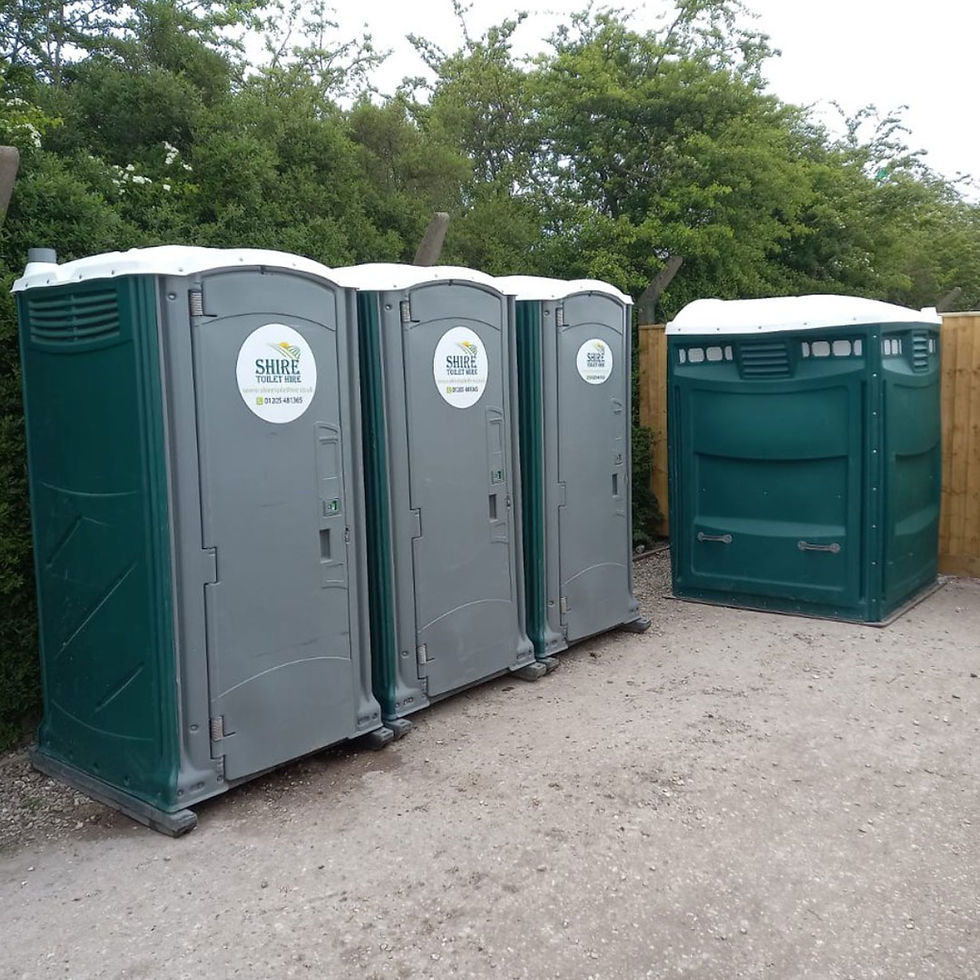
Delivering portable loos to off-grid rural spots across the UK presents distinct logistical challenges that require careful preparation. Narrow country lanes, steep gradients, and soft ground can quickly turn a straightforward delivery into a complex task.
Successful delivery relies on thorough site surveys, the right vehicle access, and specialist handling equipment to get units safely into position.
Providing adequate sanitation at remote events or isolated construction sites is essential for maintaining hygiene standards and legal compliance. Understanding the specialised methods involved ensures your facilities arrive safely and function smoothly throughout your project.
Conducting Comprehensive Site Surveys
Detailed advance planning helps identify potential access obstacles before transport vehicles depart the depot. Modern mapping software and physical walkthroughs reveal restricted gateways, low-hanging branches, and weight-restricted bridges along rural routes.
Initial route assessments focus on evaluating several key physical obstacles:
Assessment of gateway widths, overhead cables, and tight turning circles along single-track roads.
Ground stability checks to ensure delivery vehicles can manoeuvre without sinking into mud or soft turf.
Clear identification of suitable drop-off zones that remain accessible for regular servicing tankers.
Identifying these physical constraints early prevents vehicle damage and avoids costly delivery delays on the day.
Deploying Purpose-Built Transport Vehicles
Standard flatbed lorries often struggle with unpaved tracks and tight spaces typical of countryside locations. Logistics teams utilise specialised vehicles tailored specifically for difficult terrain and confined drop-off points.
Selecting appropriate delivery transport involves utilising several specialised vehicle options:
Compact 3.5-ton 4x4 vehicles capable of navigating steep, muddy tracks and soft fields.
Flatbeds equipped with integrated hydraulic tail lifts or cranes for controlled offloading in tight spots.
Trailers designed to carry individual units through standard farm gates and narrow garden entrances.
Using the correct transport machinery ensures seamless transport regardless of how rugged the destination may be.
Utilising Off-Road Moving Equipment
When delivery vehicles cannot reach the exact final placement zone, manual and mechanical moving equipment takes over. Specialised kit allows operators to transport individual portable toilets across soft paddocks or woodland paths.
Moving units across restricted ground requires using dedicated off-road equipment:
Heavy-duty sack barrows fitted with wide pneumatic tyres to easily cross uneven terrain.
Tracked carrier units capable of hauling sanitation facilities across steep hills and boggy ground.
Manual manoeuvring techniques requiring multiple trained operatives to safely position units by hand.
These versatile methods guarantee that facilities end up precisely where attendees or site workers need them most.
Securing Units Against Harsh Environmental Factors
Exposed countryside locations leave outdoor facilities vulnerable to unpredictable British weather conditions. Proper installation techniques keep units stable and operational during high winds or heavy rainfall.
Protecting facilities on exposed ground involves implementing key structural anchor methods:
Staking units securely into soft earth using heavy-duty ground anchors and guy ropes.
Positioning toilets against natural windbreaks such as stone walls, hedgerows, or sturdy hoardings.
Elevating bases using wooden skids to prevent groundwater ingress during sudden heavy downpours.
Taking these protective measures ensures user safety and maintains pristine condition despite harsh weather elements.
Planning Efficient Servicing and Maintenance Schedules
Delivering the toilet unit is only the first step, as ongoing waste management requires equal foresight in isolated locations. Service vehicles must maintain clear access to pump out waste tanks and replenish fresh water supplies regularly.
Maintaining remote sanitation facilities depends on establishing practical servicing access protocols:
Deploying long-reach suction hoses that extend up to fifty metres from servicing tankers.
Scheduling waste collection during early morning hours to avoid narrow lane traffic congestion.
Positioning units near firm ground so pump trucks can park safely during routine servicing runs.
Robust maintenance planning guarantees hygienic, fully operational facilities throughout the entire duration of your hire period.
Mastering Complex Rural Logistics for Complete Peace of Mind
Organising portable sanitation for restricted or remote countryside locations requires specialised equipment, strategic planning, and experienced operators. By assessing access routes in advance and selecting appropriate off-road transport, you can fully equip even the most challenging sites.
Investing time into proper site preparation ensures high standards of hygiene and comfort for every guest or worker. Partnering with Shire Toilet Hire's experienced logistics professionals eliminates stress, allowing your rural project or outdoor event to run effortlessly — get in touch with our team today to discuss your delivery requirements.


Comments